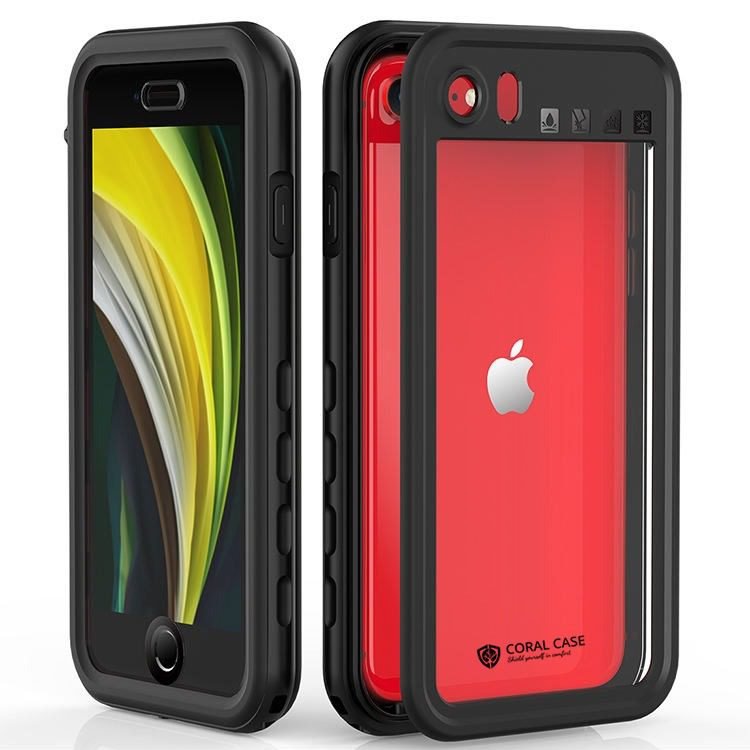
Your iPhone SE 3rd Generation is a marvel of technology, a constant companion that keeps you connected, entertained, and productive. And just like any valuable tool, it deserves protection. That’s where your iPhone SE 3rd generation case comes in, standing guard against drops, scratches, and daily wear and tear. But while your case protects your phone, who protects the case?
That’s right—your case needs a little TLC too. Over time, these unsung heroes accumulate an astonishing amount of grime: skin oils, dust, makeup residue, pocket lint, food crumbs, and a whole host of unseen bacteria. Neglecting your case not only makes it look dirty and feel greasy but can also shorten its lifespan, potentially transferring germs back to your hands and face. Regularly maintaining and cleaning your iPhone SE 3rd Generation case isn't just about aesthetics; it's about hygiene, longevity, and ensuring your phone's primary defender stays in top shape.
At a Glance: Your Case Cleaning Checklist
Before we dive into the nitty-gritty, here’s a quick overview of what you need to know to keep your iPhone SE 3rd Gen case pristine:
- Always Remove First: Take your case off your iPhone before cleaning to protect your device.
- Know Your Material: Identify if your case is silicone, plastic, leather, or fabric, as cleaning methods differ.
- Gentle is Key: Use mild soaps, soft cloths, and light pressure to avoid damage.
- Avoid Harsh Chemicals: Bleach, ammonia, alcohol, and abrasive cleaners are big no-nos.
- Rinse Thoroughly: Wash away all soap residue (unless it's leather).
- Air Dry Completely: Ensure your case is bone dry before putting it back on your phone.
- Clean Weekly: A quick clean once a week prevents buildup and extends your case's life.
Why Your Case Deserves a Spa Day: More Than Just Good Looks
You might think a little dust isn’t a big deal, but your iPhone case lives a tough life. It’s exposed to everything your hands touch, every surface it rests on, and every pocket or bag it’s tossed into. Think about it: every time you scroll through social media, answer a call, or send a text, you’re transferring oils and microscopic particles to your phone and its case.
This isn't just about a grimy appearance. Here's why regular cleaning is non-negotiable:
- Hygiene Hero: Studies have shown that phones can carry more bacteria than a toilet seat. Your case acts as a bacterial hotspot, accumulating germs that can transfer back to your hands and face. A clean case means a cleaner you.
- Appearance & Feel: A clean case looks better and feels better in your hand. No more sticky, greasy, or discolored surfaces detracting from your iPhone SE 3rd Gen's sleek design.
- Extending Case Lifespan: Dirt and oils can degrade certain materials over time. For instance, oils can cause silicone to become sticky, while grit can subtly abrade leather. Regular cleaning removes these culprits, helping your case last longer and maintain its protective qualities.
- Preserving Phone Integrity: While the case protects your phone, microscopic dust and debris trapped between the phone and case can actually cause tiny scratches over time, especially when pressure is applied. Cleaning both the case and the phone's exterior (gently!) prevents this.
- Maintaining Resale Value: If you ever plan to sell your iPhone, a well-maintained case (or at least a clean one) contributes to the overall impression of care.
Consider your iPhone SE 3rd Gen case an investment in your phone's longevity and your personal hygiene. A small effort in cleaning goes a long way.
Before You Grab the Sponge: Essential Prep Steps
Before any cleaning agent touches your case, two crucial steps ensure both safety and effectiveness. Skipping these could damage your iPhone or your case.
Step 1: Liberate Your iPhone
This might seem obvious, but it’s the most critical first step: always remove your iPhone SE 3rd Gen from its case before cleaning.
Why? Even a "damp" cloth can introduce moisture into your phone's sensitive ports or speakers. While the iPhone SE 3rd Gen boasts an IP67 water and dust resistance rating, this protection isn't absolute, nor does it cover damage from cleaning solutions. You don't want to risk liquid ingress, which isn't typically covered by warranty. So, gently pop your iPhone out and set it aside in a safe, dry place.
Step 2: Identify Your Case's Material
Knowing what your case is made of dictates the cleaning method. Using the wrong product on the wrong material can lead to discoloration, damage, or even deterioration. Most iPhone SE 3rd Gen cases fall into a few common categories:
- Silicone: Often flexible, soft to the touch, and comes in various colors. It's prone to collecting lint and becoming sticky.
- Plastic (Polycarbonate/TPU): Can be rigid or flexible, clear or opaque, and sometimes textured. Clear plastic cases are notorious for yellowing over time.
- Leather (Genuine or PU/Faux Leather): Has a distinctive feel and smell (for genuine leather). It's elegant but requires specific care to prevent drying or staining.
- Textured/Fabric (e.g., Nylon, Aramid Fiber, Alcantara): Offers unique grip and aesthetics but can be harder to clean due to their absorbent nature.
Take a moment to examine your case. If you still have the original packaging, it usually lists the material. This knowledge is your roadmap to a successful, damage-free clean.
Your Case's Material Matters: Tailored Cleaning Guides
Once your iPhone is safely separated and you know your case's material, you're ready to get to work. Here’s how to tackle each common type of iPhone SE 3rd Gen case:
A. Silicone & Plastic Cases: The Workhorses of Protection
These are perhaps the most common types of cases for the iPhone SE 3rd Gen, prized for their protection and versatility. They're also prone to showing every smudge and speck of dust.
What You'll Need:
- Mild dish soap or hand soap
- Warm water
- Soft microfiber cloth or non-abrasive sponge
- Soft-bristle toothbrush (optional, for detailing)
- Baking soda (for stubborn stains)
- White vinegar (for yellowing clear cases)
- Ammonia-free window cleaner (for streak-free plastic)
Cleaning Steps:
- General Grime Removal:
- Fill a small bowl with warm water and add a few drops of mild dish soap (e.g., Dawn) or hand soap. Avoid harsh detergents.
- Dip your soft microfiber cloth or sponge into the soapy water, wring it out so it's damp, not dripping wet.
- Gently wipe down the entire case, paying attention to areas around buttons, camera cutouts, and charging ports where grime tends to accumulate.
- For tougher spots, apply a little more pressure but avoid scrubbing aggressively.
- If your silicone case has become sticky, the gentle soap solution often helps cut through the accumulated oils causing the stickiness.
- Tackling Stubborn Stains (Silicone & Plastic):
- For ink marks, scuffs, or dye transfer, create a paste with baking soda and a small amount of water.
- Apply the paste directly to the stain.
- Gently rub the paste with your finger or a soft cloth in small circular motions. Baking soda is a mild abrasive that can lift stains without damaging the material, but don't scrub too hard.
- Rinse thoroughly afterward.
- Restoring Yellowed Clear Plastic Cases:
- Many clear plastic (TPU) cases eventually turn yellow due to UV exposure and oxidation. This isn't dirt; it's a chemical reaction.
- Mix equal parts white vinegar and water in a spray bottle or bowl.
- Spray the solution directly onto the case or soak the case in the solution for 30 minutes to an hour.
- Scrub gently with a soft cloth or toothbrush. The acetic acid in vinegar can help break down some of the compounds causing the yellowing. While it might not completely reverse severe yellowing (which is often permanent), it can improve the appearance.
- Achieving a Streak-Free Finish (Plastic Only):
- After cleaning and rinsing a plastic case, if you want a sparkling, streak-free finish, lightly spray an ammonia-free window cleaner onto a clean microfiber cloth.
- Wipe down the plastic case. The ammonia-free formula prevents clouding or damage.
- Detailing Nooks and Crannies:
- A soft-bristle toothbrush (a clean, unused one, please!) is excellent for getting into tight corners, around button cutouts, and charging port openings where lint and dust love to hide. Dip it in your soapy water and gently brush.
Whether you're looking for a new clear case or exploring different styles, our guide to iPhone SE 3rd gen cases can help you choose the perfect match to protect your device.
B. Leather Cases: The Touch of Elegance
Leather cases exude sophistication but demand a different, more delicate cleaning approach. Excessive water or harsh chemicals can dry out, stain, or permanently damage the leather.
What You'll Need:
- Specialized leather cleaner (recommended)
- Two soft, clean microfiber cloths
- Leather conditioner (essential for maintenance)
- Distilled water (for spot cleaning, minimal use)
Cleaning Steps:
- Light Dust & Fingerprint Removal:
- For everyday dust and fingerprints, simply wipe the case with a dry, soft microfiber cloth. This prevents buildup and maintains the leather's natural patina.
- Spot Cleaning & General Clean (with Leather Cleaner):
- If you have a dedicated leather cleaner, follow the product's instructions. Typically, you'll apply a small amount to a clean microfiber cloth (not directly to the case) and gently wipe the case in small sections.
- For minor spots or grime without a specialized cleaner, slightly dampen a microfiber cloth with distilled water (to avoid mineral deposits from tap water). The key word here is slightly damp—it should barely feel wet.
- Gently dab and wipe the affected area. Avoid rubbing aggressively or saturating the leather with water, as this can leave water marks.
- The Essential Follow-Up: Conditioning:
- After cleaning, and particularly every few months, apply a leather conditioner.
- Apply a small amount to a clean, dry microfiber cloth and gently rub it into the leather in circular motions.
- This step is crucial for replenishing natural oils, keeping the leather supple, preventing cracking, and maintaining its color and luster. Allow it to soak in, then buff off any excess with a clean part of the cloth.
Important Leather Care Don'ts: - DO NOT use dish soap, alcohol, window cleaner, or any other general household cleaners. They strip natural oils and can permanently damage the leather.
- DO NOT soak leather in water or get it excessively wet. Water stains are a real problem for leather.
- DO NOT rub vigorously. Be gentle to prevent scuffing or altering the leather's texture.
C. Textured & Fabric Cases: Unique but Tricky
Cases made from materials like woven fabric, nylon, or specialized textured composites offer unique grip and style but can be more challenging to clean due to their absorbent nature.
What You'll Need:
- Soft-bristle brush (e.g., an old toothbrush or a soft nail brush)
- Mild laundry detergent or fabric cleaner
- Warm water
- Clean microfiber cloth
Cleaning Steps:
- Dry Brushing First:
- Start by using a dry, soft-bristle brush to gently brush away any loose dirt, lint, or crumbs from the case's surface and crevices. Brush in one direction to lift debris effectively.
- Spot Cleaning with Soap Solution:
- Mix a tiny amount of mild laundry detergent (a drop or two) with warm water.
- Dip your soft-bristle brush into the solution, tap off excess liquid so it's just damp.
- Gently scrub the stained areas or the entire case using light, circular motions. The bristles will help work the solution into the fabric.
- For more stubborn, embedded stains, a specialized fabric cleaner (like those for upholstery) can be used, following its instructions carefully. Test on an inconspicuous area first.
- Rinsing (Carefully):
- Run the case under cool, running water to rinse out the soap solution. Avoid high pressure. Gently squeeze out excess water.
- Alternatively, use a clean, damp cloth to wipe down the case repeatedly until all soap residue is gone.
Key Consideration: Ensure these cases dry thoroughly to prevent mildew or musty odors. More on drying next!
The Post-Clean Ritual: Drying & Reassembly
You've cleaned your case; now comes the equally important part: drying it properly. An improperly dried case can trap moisture against your iPhone, leading to potential damage or creating a breeding ground for mildew (especially in fabric cases).
- Thorough Rinsing (Except Leather):
- For silicone, plastic, and fabric cases, hold them under cool, running water (not hot!) to thoroughly rinse away all soap residue. Any leftover soap can leave streaks or attract new dirt more quickly.
- For fabric cases, gently squeeze out as much water as possible. For silicone and plastic, you can shake off excess water.
- Initial Drying with a Microfiber Cloth:
- Immediately after rinsing, use a clean, dry microfiber cloth to wipe down the entire case. This removes the bulk of the surface moisture and helps prevent water spots. Get into all the nooks and crannies.
- The Power of Air Drying:
- This is the critical step for ensuring complete dryness. Place your case on a clean, dry surface, preferably in a well-ventilated area, and let it air dry completely.
- Position it so that air can circulate around all sides. You can prop it up against something or place it on a clean paper towel.
- Patience is a virtue here. Depending on the material and humidity, this could take anywhere from a few hours for plastic/silicone to a full day for fabric cases.
What to AVOID during drying: - NO Hair Dryers or Heat Sources: High temperatures can warp plastic, degrade silicone, damage leather, or weaken adhesives within the case. Always air dry.
- NO Direct Sunlight for Extended Periods: While some sunlight can aid drying, prolonged exposure, especially for clear cases, can accelerate yellowing or fade colors.
- DO NOT Reattach Until Bone Dry: Seriously. Any lingering moisture between your phone and case is a risk you don't want to take.
Once your case is absolutely, positively dry to the touch, you can safely reattach it to your iPhone SE 3rd Gen.
The "Never Do This" List: Protecting Your Investment
Just as important as knowing what to do is knowing what not to do. Using the wrong cleaning agent or technique can permanently damage your case, rendering it unsightly or even ineffective.
- Avoid Harsh Chemicals at All Costs: This includes:
- Bleach: Causes discoloration, especially on colored cases, and can degrade materials.
- Ammonia: Found in many glass cleaners, it can etch or cloud plastic and cause issues with silicone.
- Abrasive Cleaners (e.g., scouring powder, rough sponges): These will scratch and dull the finish of your case.
- Rubbing Alcohol (Isopropyl Alcohol): While sometimes recommended for phones, it can dry out and degrade silicone, cause discoloration, or strip the finish off plastic and leather. Use only water and mild soap.
- Acetone (Nail Polish Remover): Absolutely destructive to most plastics and silicones, causing them to melt, warp, or become sticky.
- Don't Scrub Too Hard: Gentle pressure is always best. Aggressive scrubbing, even with a soft cloth, can lead to micro-scratches, scuffs, or wear down protective coatings on your case.
- No Excessive Water on Leather: As mentioned, water is the enemy of leather. Stick to barely damp cloths and specialized leather cleaners.
- Steer Clear of Heat: Never use hair dryers, ovens, direct sunlight for extended periods, or place your case near other heat sources to dry. The high temperatures can deform plastic, make silicone sticky, or weaken any adhesives used in multi-material cases.
Adhering to these warnings will keep your case looking good and performing its protective duties for longer.
The Ounce of Prevention: How Often Should You Clean?
Regularity is key when it comes to case maintenance. You wouldn't go weeks without washing your hands, so why would you let your phone case become a petri dish?
- Weekly Deep Clean: Aim to give your iPhone SE 3rd Gen case a thorough cleaning at least once a week. This frequency is ideal for preventing significant dirt and oil buildup, which makes subsequent cleaning easier and prolongs the case's life. It also keeps bacterial levels in check.
- Daily Quick Wipes: For those who are particularly hygiene-conscious or use their phone heavily, a quick wipe-down with a clean, dry (or very slightly damp) microfiber cloth every day or every other day can make a big difference. This tackles surface grime before it has a chance to set in.
- As Needed: If your case experiences a spill, gets dropped in dirt, or just feels noticeably greasy, don't wait for your weekly schedule. Clean it immediately.
Consistent, gentle cleaning is far better than infrequent, aggressive scrubbing. Make it a part of your weekly routine, perhaps when you're cleaning other personal items.
Troubleshooting Common Case Woes
Sometimes, even with regular cleaning, you might encounter specific issues. Here's how to address a few common ones:
- Sticky Silicone Case: This is often due to a buildup of skin oils, dirt, and microscopic particles.
- Solution: A thorough wash with warm water and mild dish soap (like the method described above) is usually the best remedy. The soap helps emulsify the oils and release the trapped particles. If it persists, try a baking soda paste. Avoid alcohol, which can make it worse long-term by drying out the silicone and making it prone to stickiness.
- Lingering Odors: Fabric or even sometimes silicone cases can develop odors from sweat, food, or general grime.
- Solution: After a good clean and thorough drying, if an odor persists, try placing the dry case in a sealed bag or container with an open box of baking soda for 24-48 hours. Baking soda is excellent at absorbing odors.
- Minor Scratches on Plastic Cases: While deep scratches are often permanent, very minor surface scuffs on glossy plastic cases can sometimes be minimized.
- Solution: A small amount of plastic polish (designed for headlights or clear plastics) applied with a microfiber cloth can sometimes buff out very fine surface scratches. Always test on an inconspicuous area first, and use sparingly. This won't work for matte finishes or deep gouges.
- Discoloration on Fabric Cases:
- Solution: Treat immediately with a fabric cleaner or a strong solution of mild detergent. If the discoloration is severe or from a permanent dye, it might be challenging to fully remove. Prevention (weekly cleaning) is key here.
Beyond Cleaning: General Case Maintenance Tips
To truly maximize your iPhone SE 3rd Gen case's lifespan and effectiveness, consider these additional maintenance habits:
- Avoid Extreme Temperatures: Just as heat can damage your case during drying, storing your phone in extremely hot cars or leaving it in direct, intense sunlight for prolonged periods can degrade materials (especially plastic and silicone) and fade colors. Cold temperatures aren't usually as damaging but can make some plastics more brittle.
- Protect from Direct Sunlight: Beyond heat, UV radiation from the sun contributes significantly to the yellowing of clear cases and fading of colored materials. When not in use, store your phone and case out of direct sunlight.
- Rotate Cases (If You Have Multiple): If you're someone who loves to swap cases, rotating them gives each case a break from daily wear and tear, extending the life of all of them. It also makes it easier to clean them systematically.
- Be Mindful of Abrasive Surfaces: Try to avoid habitually placing your phone face-down on rough surfaces (like concrete or uneven wood) if your case has an exposed lip, or case-down on very dirty surfaces. This simply minimizes the initial grime accumulation.
Your iPhone SE 3rd Gen Case: A Small Investment, Big Impact
Your iPhone SE 3rd Generation is a sophisticated piece of technology, and its case is its first line of defense. By investing a little time in properly maintaining and cleaning your case, you're doing much more than just making it look good. You're safeguarding your health, extending the life of your protective gear, and preserving the pristine condition of your beloved iPhone.
So go ahead, give your case the spa treatment it deserves. Your hands, your phone, and your wallet will thank you.